
China Targets Humanoid Robot Leadership With New Embodied AI Push
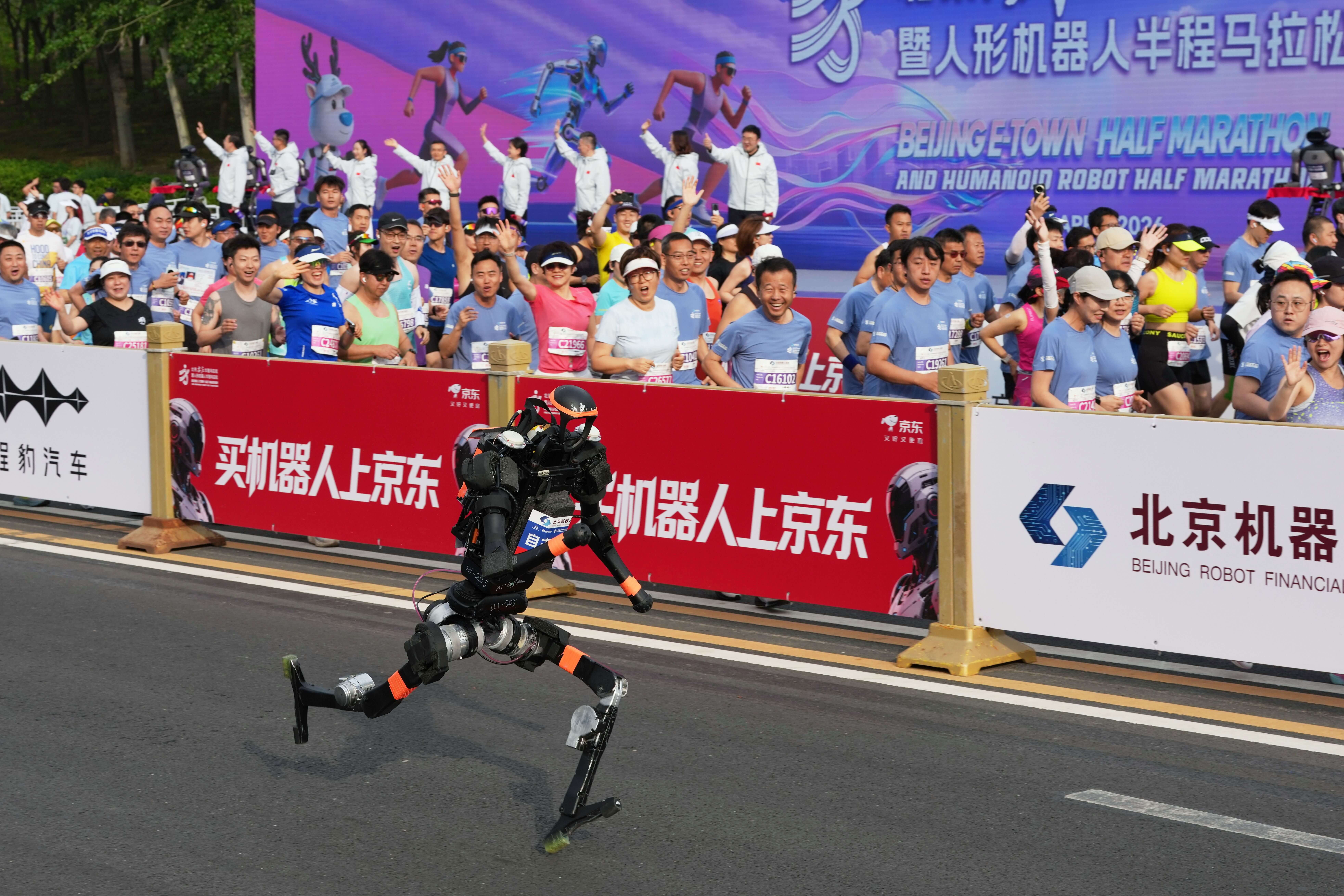
China is leveraging its position as the world leader in industrial robot installations to pivot toward the next frontier: "embodied AI." This field focuses on integrating advanced artificial intelligence into physical robot frames, moving beyond static factory arms toward humanoid machines capable of navigating human environments. By backing this transition with significant state investment and policy support, Beijing aims to achieve a self-sufficient high-tech ecosystem that reduces its reliance on foreign hardware and software.
This shift matters because it represents a move toward high-value manufacturing and long-term economic resilience. As the Chinese workforce ages and shrinks, the government views humanoid robots as a critical solution for maintaining industrial productivity and providing elder care. This push isn't just about economic convenience; it is a strategic effort to dominate a multi-billion dollar industry that could define global technological leadership in the coming decades.
Observers should watch for the development of "robot brains"—standardized AI chips and operating systems—as China seeks to create its own internal supply chains. While domestic firms are making rapid progress, they still face significant hurdles in software sophistication and high-end sensory components compared to Western competitors. How quickly Chinese firms can bridge this gap will determine if their humanoid ambitions translate into global market dominance.
Merics reports that this ambitious path reflects China's broader goal of transforming its robotics industry into a pillar of national strength.
Read the full story at the original source
Now Trending summarizes the news so you can scan in seconds. Full credit and reporting belongs to the original publishers.


