
China Pivots To Humanoid Robots In Ambitious Embodied AI Push
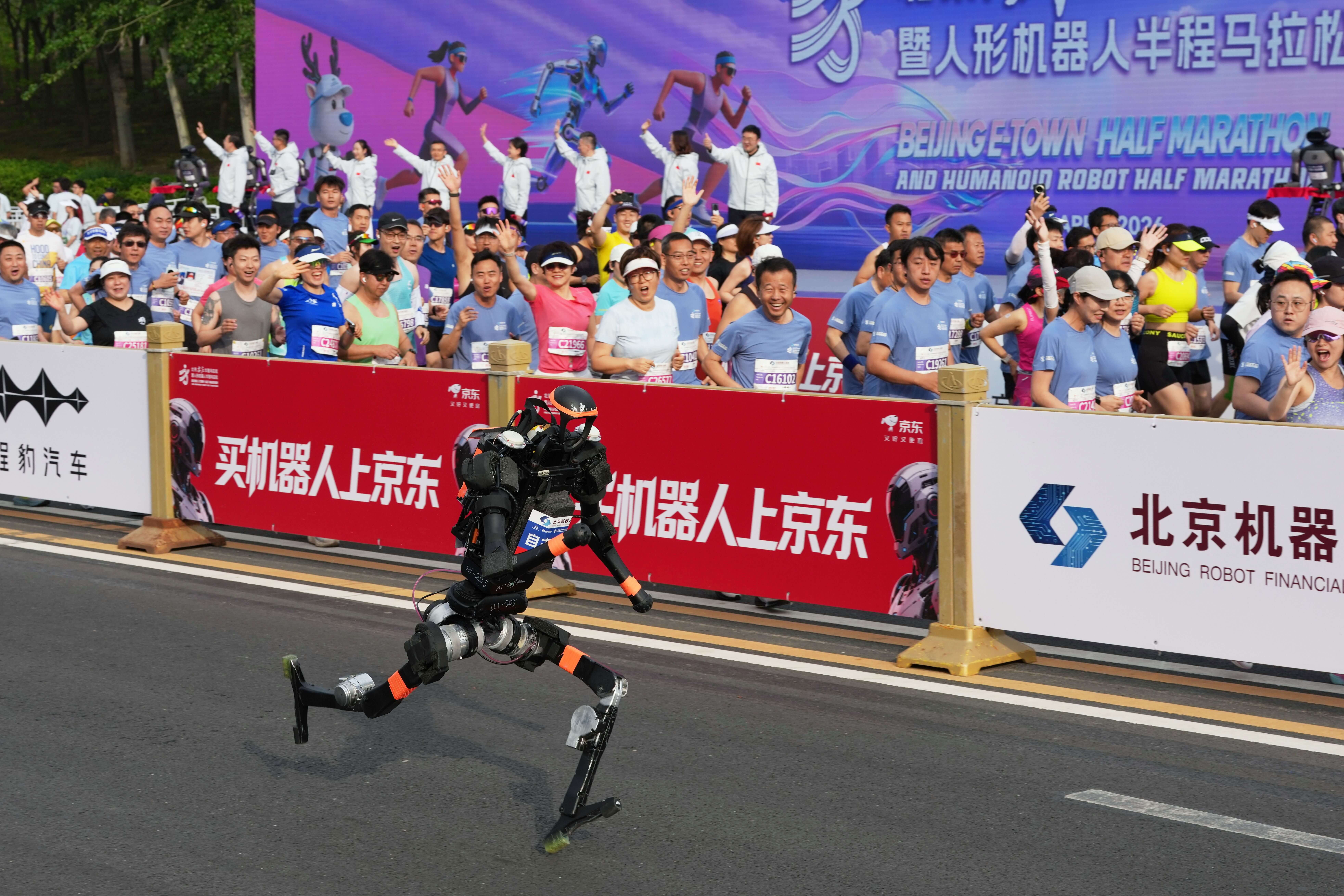
China is leveraging its position as the world leader in industrial robotics to spearhead a new era of "embodied AI." Beijing has identified humanoid robots as a strategic frontier, aiming to integrate advanced artificial intelligence directly into physical machines that can interact with and navigate human environments. This shift represents a transition from stationary factory arms to mobile, versatile machines capable of performing complex tasks across multiple sectors.
The push is fueled by a combination of high-level government subsidies, industrial policy, and a vast internal market. By treating humanoid robotics as a "future industry," Chinese policymakers are attempting to bypass traditional manufacturing limitations and seize dominance in the global high-tech supply chain. These efforts are not just about automation; they are seen as a critical solution to a shrinking labor force and a way to bolster national security through self-reliance.
Success in this field would mean a fundamental transformation of the global robotics landscape, potentially displacing long-standing market leaders in Europe and Japan. However, significant hurdles remain, including China's continued reliance on high-end foreign components and the immense computational power required to make these robots truly autonomous.
Analysts are watching to see if China’s massive scaling capabilities can overcome its current hardware bottlenecks. As the line between digital intelligence and physical labor blurs, the speed of China's deployment will likely dictate international standards for the next generation of automation. This analysis was originally reported by Merics.


