
The New Marketing Of Fear: Why AI Firms Warn Of Doom
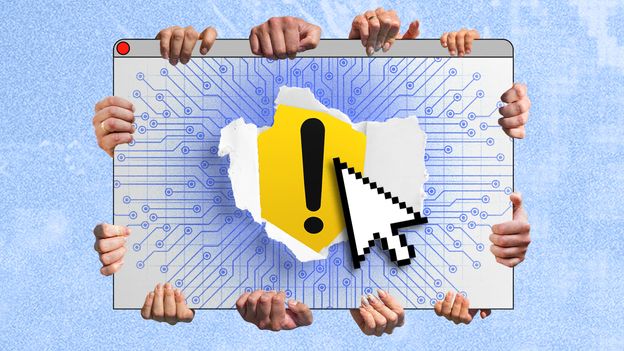
Major artificial intelligence firms are increasingly projecting an image of fear regarding their own creations, warning that the technology could one day pose an existential threat to humanity. While these alarms might seem like sincere expressions of caution, some experts suggest this "doomsday" narrative is a calculated marketing strategy. By framing AI as a god-like power that requires extreme care, companies can simultaneously inflate their brand value and position themselves as the only entities responsible enough to wield such technology.
Beyond branding, the rhetoric of fear serves a strategic regulatory purpose. By focusing public and political attention on far-off, sci-fi scenarios of robot uprisings, companies may be successfully distracting from more immediate, tangible problems. Issues like copyright infringement, data privacy violations, algorithmic bias, and the use of low-paid labor are often pushed to the background when the conversation is dominated by the hypothetical end of the world.
If regulators buy into the "existential risk" argument, it could lead to policies that favor incumbents. High-level safety requirements and complex licensing models are expensive to implement, potentially creating a barrier to entry for smaller startups and open-source developers. This would leave the current tech giants with a monopoly on the industry's future under the guise of protecting the public.
Observers should watch whether upcoming international AI legislation focuses on these abstract future threats or addresses the concrete harms already being felt today. The tension remains between those calling for a total pause on development and the companies that continue to push new products to market despite their public warnings. This shift in narrative suggests that in the AI era, some degree of fear is no longer a deterrent—it is a selling point. This report is based on reporting by BBC.
Read the full story at the original source
Now Trending summarizes the news so you can scan in seconds. Full credit and reporting belongs to the original publishers.