
Iran Conflict Sparks Deep Division Over Fed Interest Rate Hikes
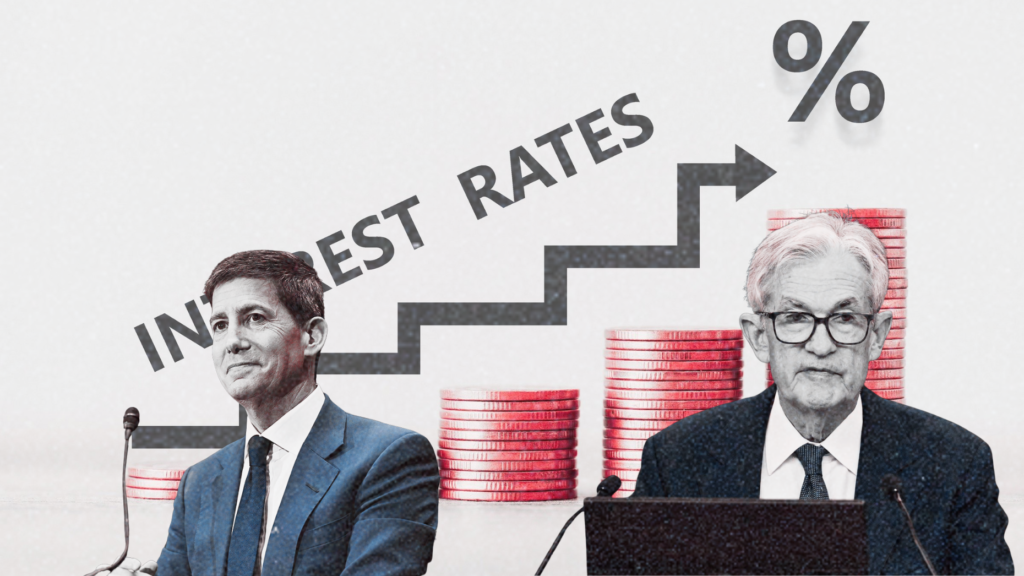
The Federal Reserve maintained interest rates during its latest meeting on Wednesday, but the decision revealed deep internal fractures. In what has become the most contentious vote in decades, three officials broke from the majority to express concerns that the escalating conflict involving Iran has fundamentally altered the economic landscape. This internal opposition signals a departure from the relatively unified front the central bank has maintained during previous inflation battles.
At the heart of the divide is a sudden oil shock triggered by the geopolitical instability. While the majority favored a pause to evaluate existing economic data, the dissenters argue that rising energy costs and potential supply chain disruptions necessitate higher rates to preempt a new wave of inflation. This disagreement marks a significant shift in Fed policy discussions, moving away from a cooling economy and toward the management of external war-time shocks.
For the housing market and general economy, this division suggests that the era of predictable rate paths may be over. Industry analysts are now bracing for increased volatility as the central bank grapples with the dual pressures of maintaining domestic stability and reacting to a volatile global crisis. If the oil shock persists, the Fed may be forced to abandon its current holding pattern sooner than previously anticipated.
Watch for the upcoming release of the Fed’s meeting minutes, which will provide deeper insight into how the pro-hike minority plans to influence future policy. The interaction between energy prices and consumer spending in the coming weeks will likely determine whether the dissenters can sway their colleagues toward another hike. This report was originally published by Inman.