Chicago’s Loop Reimagined as Urban Growth Shifts to Neighborhoods
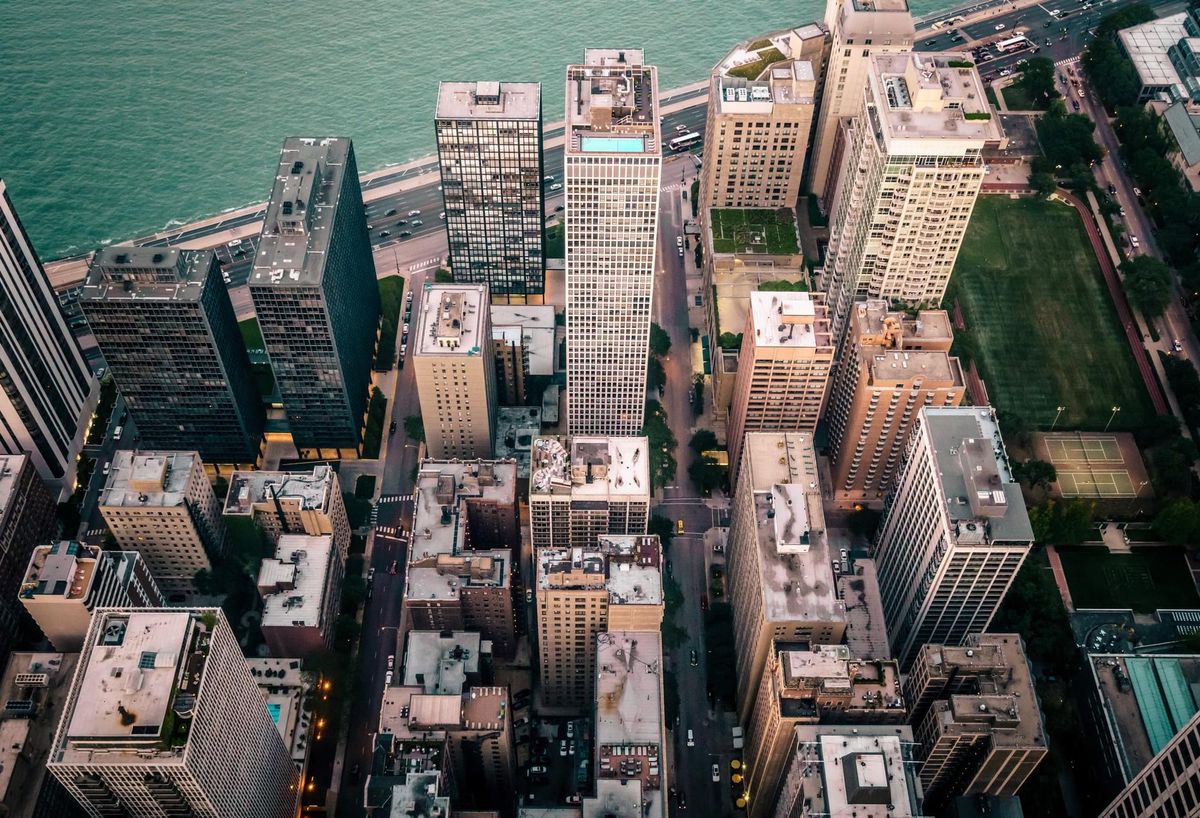
Chicago is entering a new era of urban planning as the central business district shifts from a traditional office hub into a diversified, mixed-use environment. This transformation, often referred to as a Loop revival, comes at a time when the city's overall center of gravity is expanding beyond the historic core. While the downtown area adapts to shifting work patterns, surrounding neighborhoods are experiencing their own surge in density and commercial activity.
The evolution is largely driven by a necessity to fill vacancies left by the changing nature of office work. By integrating residential units, entertainment venues, and social spaces into the Loop, planners hope to create a 24-hour ecosystem that remains resilient regardless of corporate occupancy rates. This "live-work-play" model is becoming the blueprint for the city's future growth, aiming to bridge the gap between financial centers and local residential life.
Market watchers are now focusing on how this decentralized growth will impact infrastructure and public transit. As focus spreads to the neighborhoods, the challenge will be maintaining the Loop’s status as a primary destination while fostering sustainable development across the wider city. The success of these initiatives could serve as a case study for other major metropolitan areas facing similar post-pandemic identity shifts.
This report is based on findings by Bisnow.
Read the full story at the original source
Now Trending summarizes the news so you can scan in seconds. Full credit and reporting belongs to the original publishers.